Buy swingersdirectory.eu ?
We are moving the project
swingersdirectory.eu .
Are you interested in purchasing the domain
swingersdirectory.eu ?
domain@kv-gmbh.de · 0541-91531010
Buy swingersdirectory.eu ?
How do non-homologous recombination and homologous recombination work?
Non-homologous recombination involves the joining of two DNA molecules at non-homologous sequences, resulting in the insertion, deletion, or rearrangement of genetic material. This process is often error-prone and can lead to mutations. Homologous recombination, on the other hand, involves the exchange of genetic material between two similar DNA molecules, typically occurring during meiosis. This process is important for repairing DNA damage and ensuring genetic diversity. It involves the exchange of genetic material between homologous chromosomes, resulting in the formation of new combinations of genes. **
What is the difference between interchromosomal recombination and intrachromosomal recombination?
Interchromosomal recombination involves the exchange of genetic material between two different chromosomes, while intrachromosomal recombination involves the exchange of genetic material within the same chromosome. Interchromosomal recombination can result in the creation of new combinations of genes from different chromosomes, leading to genetic diversity. In contrast, intrachromosomal recombination can lead to the repair of DNA damage or the creation of genetic variation within the same chromosome. Both processes are important for genetic diversity and evolution. **

Similar search terms for Recombination
Top-Angebote
Products related to Recombination:
-
Tools, Home & Hobby Heavy Duty White Plastic Disposable Plates Set For Weddings, Parties & Events Heavy Duty White Plastic Disposable Plates Set For Weddings, Parties & EventsCreate a polished table setting without the stress of postparty cleanup. These heavy duty plastic plates are designed for hosts who want the elegance of real dinnerware with the convenience of disposable serving. Featuring 50 dinner plates and 50...79,97 $*Shipping: 0,00 $Secure redirect to the provider
-
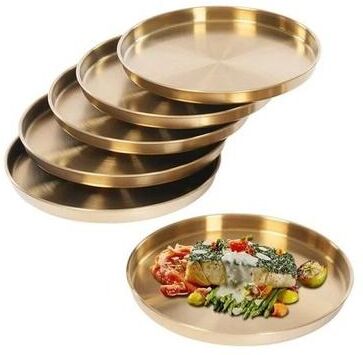
Multicon Wholesale Hub Stainless Steel Serving Tray Round Decorative Platter Trays For Home, Parties & Events Stainless Steel Serving Tray Round Decorative Platter Trays For Home, Parties & EventsStep up your entertaining game with a set that brings elegant utility to every occasion. These six beautifully polished stainless steel serving trays are perfect for hosts, caterers, and anyone who loves to serve with style. Designed for both...148,97 $*Shipping: 0,00 $Secure redirect to the provider
-
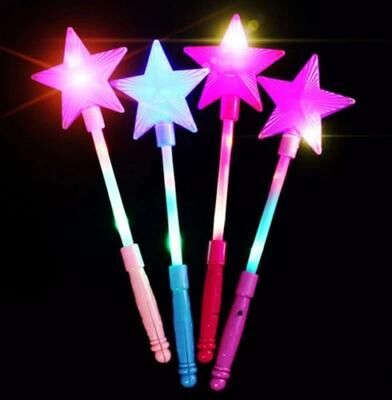
Uplifted Finds Flashing LED Star Wand Light Up Glow Stick Toy For Kids Parties & Events Flashing LED Star Wand Light Up Glow Stick Toy For Kids Parties & EventsLight up the night with enchanting magic using this Flashing LED Star Wand Glow Stick! Featuring a glowing startopped wand design, this illuminated toy lights up in brilliant flashing patterns to spark instant excitement for kids and adults alike....37,97 $*Shipping: 0,00 $Secure redirect to the provider
-
Inspired Deals Acrylic Champagne Glasses Unbreakable Plastic Champagne Flutes For Parties & Events blackCelebrate every moment without worrying about breakage with these elegant acrylic champagne glasses designed for modern gatherings. Crafted from durable PC material, they offer the refined look of glass while staying lightweight and safe for...39,97 $*Shipping: 0,00 $Secure redirect to the provider

-
What is the difference between intrachromosomal recombination and interchromosomal recombination?
Intrachromosomal recombination occurs between two different regions of the same chromosome, leading to the exchange of genetic material within the same chromosome. On the other hand, interchromosomal recombination involves the exchange of genetic material between two different chromosomes. Intrachromosomal recombination can lead to the creation of genetic diversity within a single chromosome, while interchromosomal recombination can result in the exchange of genetic material between different chromosomes, leading to genetic diversity among different chromosomes. **
-
What is recombination in biology?
Recombination in biology refers to the process by which genetic material from two different sources is combined to produce a new combination of genes. This can occur through sexual reproduction, where genetic material from two parents is combined to create offspring with a unique genetic makeup. Recombination plays a crucial role in generating genetic diversity within populations, which is important for evolution and adaptation to changing environments. In organisms that reproduce sexually, recombination occurs during meiosis, where homologous chromosomes exchange genetic material through a process called crossing over. **
-
What is recombination and genetic variability?
Recombination is the process by which genetic material is exchanged between two similar molecules of DNA, resulting in new combinations of genes. This process occurs during meiosis, the cell division that produces gametes (sperm and egg cells). Genetic variability refers to the diversity of genetic material within a population, which is influenced by factors such as recombination, mutations, and gene flow. Recombination plays a key role in generating genetic variability by creating new combinations of genes, which can lead to increased diversity and adaptation within a population. **
-
How does crossing-over influence recombination?
Crossing-over is a process during meiosis where homologous chromosomes exchange genetic material. This exchange of genetic material results in new combinations of alleles on the chromosomes, leading to genetic recombination. By shuffling genetic material between homologous chromosomes, crossing-over increases genetic diversity in offspring and can result in the creation of new combinations of traits. This process is essential for generating genetic variation within a population and plays a crucial role in evolution. **


How many offspring are produced through recombination?
Recombination typically results in two offspring being produced. This is because during recombination, genetic material from two parent organisms is combined to create a new individual with a unique combination of traits. This process allows for genetic diversity and variation within a population. **
When does disproportionation occur instead of recombination?
Disproportionation occurs when a single species is both oxidized and reduced in a reaction, leading to the formation of two different products with different oxidation states. This process typically occurs when the species involved can exist in multiple oxidation states and there is no suitable reactant available for recombination. In contrast, recombination occurs when two species with different oxidation states combine to form a single product with an intermediate oxidation state. **
Top-Angebote
Products related to Recombination:
-
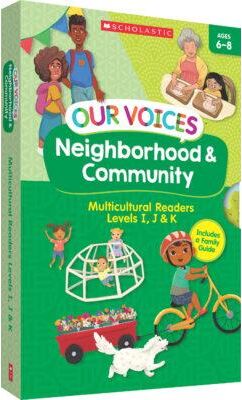
Our Voices: Neighborhood & Community Boxed SetFoster a feeling of belonging while building key reading skills with these colorful storybooks that spotlight a variety of neighborhoods and communities. The 10 charming stories feature characters from different cultural backgrounds who learn about...30,59 $*Shipping: 0,00 $Secure redirect to the provider
-
ForAllApparel Inflatable Alien Carrying Human Costume For Halloween Parties & Sci Fi Events Inflatable Alien Carrying Human Costume For Halloween Parties & Sci Fi EventsAlien Carrying Human Costume turns every entrance into a laughoutloud moment. Designed for Halloween lovers, cosplay fans, and pranksters, this hilarious inflatable outfit creates the illusion of being abducted by a friendly alien. Made from soft...59,97 $*Shipping: 0,00 $Secure redirect to the provider
-
Tools, Home & Hobby Heavy Duty White Plastic Disposable Plates Set For Weddings, Parties & Events Heavy Duty White Plastic Disposable Plates Set For Weddings, Parties & EventsCreate a polished table setting without the stress of postparty cleanup. These heavy duty plastic plates are designed for hosts who want the elegance of real dinnerware with the convenience of disposable serving. Featuring 50 dinner plates and 50...79,97 $*Shipping: 0,00 $Secure redirect to the provider
-
Multicon Wholesale Hub Stainless Steel Serving Tray Round Decorative Platter Trays For Home, Parties & Events Stainless Steel Serving Tray Round Decorative Platter Trays For Home, Parties & EventsStep up your entertaining game with a set that brings elegant utility to every occasion. These six beautifully polished stainless steel serving trays are perfect for hosts, caterers, and anyone who loves to serve with style. Designed for both...148,97 $*Shipping: 0,00 $Secure redirect to the provider
-
How do non-homologous recombination and homologous recombination work?
Non-homologous recombination involves the joining of two DNA molecules at non-homologous sequences, resulting in the insertion, deletion, or rearrangement of genetic material. This process is often error-prone and can lead to mutations. Homologous recombination, on the other hand, involves the exchange of genetic material between two similar DNA molecules, typically occurring during meiosis. This process is important for repairing DNA damage and ensuring genetic diversity. It involves the exchange of genetic material between homologous chromosomes, resulting in the formation of new combinations of genes. **
-
What is the difference between interchromosomal recombination and intrachromosomal recombination?
Interchromosomal recombination involves the exchange of genetic material between two different chromosomes, while intrachromosomal recombination involves the exchange of genetic material within the same chromosome. Interchromosomal recombination can result in the creation of new combinations of genes from different chromosomes, leading to genetic diversity. In contrast, intrachromosomal recombination can lead to the repair of DNA damage or the creation of genetic variation within the same chromosome. Both processes are important for genetic diversity and evolution. **
-
What is the difference between intrachromosomal recombination and interchromosomal recombination?
Intrachromosomal recombination occurs between two different regions of the same chromosome, leading to the exchange of genetic material within the same chromosome. On the other hand, interchromosomal recombination involves the exchange of genetic material between two different chromosomes. Intrachromosomal recombination can lead to the creation of genetic diversity within a single chromosome, while interchromosomal recombination can result in the exchange of genetic material between different chromosomes, leading to genetic diversity among different chromosomes. **
-
What is recombination in biology?
Recombination in biology refers to the process by which genetic material from two different sources is combined to produce a new combination of genes. This can occur through sexual reproduction, where genetic material from two parents is combined to create offspring with a unique genetic makeup. Recombination plays a crucial role in generating genetic diversity within populations, which is important for evolution and adaptation to changing environments. In organisms that reproduce sexually, recombination occurs during meiosis, where homologous chromosomes exchange genetic material through a process called crossing over. **
Similar search terms for Recombination
-
Uplifted Finds Flashing LED Star Wand Light Up Glow Stick Toy For Kids Parties & Events Flashing LED Star Wand Light Up Glow Stick Toy For Kids Parties & EventsLight up the night with enchanting magic using this Flashing LED Star Wand Glow Stick! Featuring a glowing startopped wand design, this illuminated toy lights up in brilliant flashing patterns to spark instant excitement for kids and adults alike....37,97 $*Shipping: 0,00 $Secure redirect to the provider
-
Inspired Deals Acrylic Champagne Glasses Unbreakable Plastic Champagne Flutes For Parties & Events blackCelebrate every moment without worrying about breakage with these elegant acrylic champagne glasses designed for modern gatherings. Crafted from durable PC material, they offer the refined look of glass while staying lightweight and safe for...39,97 $*Shipping: 0,00 $Secure redirect to the provider
-
Snug & Styled LED Sequin Flash Gloves For Dance Parties, Festivals & Halloween Events Sequins Glowing GlovesLight up every performance and celebration with these eyecatching LED gloves designed to make you stand out in any crowd. Featuring sparkling sequins and vibrant flashing lights, these gloves add excitement and energy to dances, parties, and festive...39,97 $*Shipping: 0,00 $Secure redirect to the provider
-
USA Free Shipping Shop GlamSpark Rhinestone Face Mask Cover For Parties, Cosplay & Special Events whiteStep into the spotlight with a dazzling accessory designed to turn heads wherever you go. This rhinestone face mask combines eyecatching sparkle with lightweight comfort, making it perfect for fashionforward women who love standing out. Designed as...39,97 $*Shipping: 0,00 $Secure redirect to the provider
-
What is recombination and genetic variability?
Recombination is the process by which genetic material is exchanged between two similar molecules of DNA, resulting in new combinations of genes. This process occurs during meiosis, the cell division that produces gametes (sperm and egg cells). Genetic variability refers to the diversity of genetic material within a population, which is influenced by factors such as recombination, mutations, and gene flow. Recombination plays a key role in generating genetic variability by creating new combinations of genes, which can lead to increased diversity and adaptation within a population. **
-
How does crossing-over influence recombination?
Crossing-over is a process during meiosis where homologous chromosomes exchange genetic material. This exchange of genetic material results in new combinations of alleles on the chromosomes, leading to genetic recombination. By shuffling genetic material between homologous chromosomes, crossing-over increases genetic diversity in offspring and can result in the creation of new combinations of traits. This process is essential for generating genetic variation within a population and plays a crucial role in evolution. **
-
How many offspring are produced through recombination?
Recombination typically results in two offspring being produced. This is because during recombination, genetic material from two parent organisms is combined to create a new individual with a unique combination of traits. This process allows for genetic diversity and variation within a population. **
-
When does disproportionation occur instead of recombination?
Disproportionation occurs when a single species is both oxidized and reduced in a reaction, leading to the formation of two different products with different oxidation states. This process typically occurs when the species involved can exist in multiple oxidation states and there is no suitable reactant available for recombination. In contrast, recombination occurs when two species with different oxidation states combine to form a single product with an intermediate oxidation state. **
* All prices are inclusive of VAT and, if applicable, plus shipping costs. The offer information is based on the details provided by the respective shop and is updated through automated processes. Real-time updates do not occur, so deviations can occur in individual cases. ** Note: Parts of this content were created by AI.