Buy swingersdirectory.eu ?
We are moving the project
swingersdirectory.eu .
Are you interested in purchasing the domain
swingersdirectory.eu ?
domain@kv-gmbh.de · 0541-91531010
Buy swingersdirectory.eu ?
What are the epistemological implications?
The epistemological implications of a question or topic refer to the ways in which it challenges or shapes our understanding of knowledge and how we come to know things. When considering the epistemological implications of a question, we are examining how it challenges our assumptions about what can be known, how it can be known, and the limits of our knowledge. This can lead to a deeper understanding of the nature of knowledge, the methods of inquiry, and the ways in which we construct and validate knowledge claims. In essence, considering the epistemological implications of a question prompts us to critically reflect on the nature and limitations of human knowledge. **
What is the difference between epistemological and ontological naturalism?
Epistemological naturalism is the belief that knowledge and understanding of the world should be based on naturalistic explanations and evidence, such as scientific inquiry and empirical observation. It focuses on how we come to know and understand the world around us. Ontological naturalism, on the other hand, is the belief that the natural world is all that exists, and that there are no supernatural or non-natural entities or forces. It focuses on the nature of reality and what exists in the world. In summary, epistemological naturalism is about how we know, while ontological naturalism is about what exists. **

Similar search terms for Epistemological
Top-Angebote
Products related to Epistemological:
-
Tools, Home & Hobby Heavy Duty White Plastic Disposable Plates Set For Weddings, Parties & Events Heavy Duty White Plastic Disposable Plates Set For Weddings, Parties & EventsCreate a polished table setting without the stress of postparty cleanup. These heavy duty plastic plates are designed for hosts who want the elegance of real dinnerware with the convenience of disposable serving. Featuring 50 dinner plates and 50...79,97 $*Shipping: 0,00 $Secure redirect to the provider
-
Multicon Wholesale Hub Stainless Steel Serving Tray Round Decorative Platter Trays For Home, Parties & Events Stainless Steel Serving Tray Round Decorative Platter Trays For Home, Parties & EventsStep up your entertaining game with a set that brings elegant utility to every occasion. These six beautifully polished stainless steel serving trays are perfect for hosts, caterers, and anyone who loves to serve with style. Designed for both...148,97 $*Shipping: 0,00 $Secure redirect to the provider
-
Uplifted Finds Flashing LED Star Wand Light Up Glow Stick Toy For Kids Parties & Events Flashing LED Star Wand Light Up Glow Stick Toy For Kids Parties & EventsLight up the night with enchanting magic using this Flashing LED Star Wand Glow Stick! Featuring a glowing startopped wand design, this illuminated toy lights up in brilliant flashing patterns to spark instant excitement for kids and adults alike....37,97 $*Shipping: 0,00 $Secure redirect to the provider
-
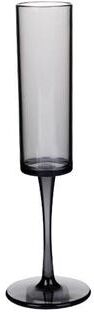
Inspired Deals Acrylic Champagne Glasses Unbreakable Plastic Champagne Flutes For Parties & Events blackCelebrate every moment without worrying about breakage with these elegant acrylic champagne glasses designed for modern gatherings. Crafted from durable PC material, they offer the refined look of glass while staying lightweight and safe for...39,97 $*Shipping: 0,00 $Secure redirect to the provider



-
How can one compare the epistemological theories of Descartes and Hobbes?
Descartes and Hobbes both have distinct epistemological theories, with Descartes emphasizing rationalism and skepticism, while Hobbes focuses on empiricism and materialism. Descartes believed in the existence of innate ideas and the importance of reason in acquiring knowledge, while Hobbes argued that all knowledge comes from sensory experience. Additionally, Descartes sought to establish a foundation of certainty through his method of doubt, while Hobbes emphasized the importance of observation and experimentation in understanding the natural world. Despite their differences, both philosophers contributed significantly to the development of modern epistemology by exploring the nature and limits of human knowledge. **
-
What is the epistemological difference between empiricism (Hobbes, Locke, Hume) and materialism?
Empiricism is the philosophical belief that knowledge comes primarily from sensory experience and observation. This means that empiricists like Hobbes, Locke, and Hume argue that all knowledge is derived from the senses and that the mind is a blank slate at birth. Materialism, on the other hand, is the philosophical belief that everything in the world, including human thoughts and experiences, can be explained in terms of physical matter and its interactions. Materialists argue that the mind and consciousness are ultimately reducible to physical processes in the brain. Therefore, while both empiricism and materialism emphasize the importance of sensory experience, the key difference lies in the nature of knowledge and the mind: empiricists focus on the origin of knowledge, while materialists focus on the nature of the mind and its relationship to the physical world. **
-
What epistemological questions does the Allegory of the Cave provide answers to?
The Allegory of the Cave provides answers to several epistemological questions, such as the nature of reality and the limitations of human perception. It explores the idea of how our perceptions can be limited by our experiences and the influence of external forces. The allegory also addresses the question of how we come to know the truth and whether it is possible to break free from the constraints of our limited understanding. Additionally, it raises the question of the role of education and enlightenment in expanding our knowledge and understanding of the world. **
-
What are the differences between the epistemological theories of Socrates, Plato, Kant, Hume, and Descartes?
Socrates believed in the pursuit of knowledge through critical thinking and questioning, emphasizing the importance of self-examination and dialogue. Plato, a student of Socrates, expanded on these ideas and proposed the existence of a separate realm of perfect forms, which could only be accessed through reason and contemplation. Kant focused on the role of the mind in shaping our understanding of the world, arguing that our perceptions are filtered through innate categories of understanding. Hume, on the other hand, emphasized the limitations of human knowledge, arguing that our understanding is based on sensory experience and that we cannot know the true nature of things. Descartes, known for his method of doubt, sought to establish a foundation of knowledge through skepticism and rationalism, ultimately arriving at the famous phrase "I think, therefore I am." **


Who still avoids events, celebrations, and parties?
Some individuals who still avoid events, celebrations, and parties include those who are introverted or socially anxious. These individuals may feel uncomfortable in large social settings and prefer smaller, more intimate gatherings. Additionally, people who have experienced trauma or have social phobias may also choose to avoid events and parties to protect their mental well-being. Ultimately, it is important to respect and understand individuals who choose to opt out of such social gatherings for their own personal reasons. **
Who else is avoiding events, celebrations, and parties?
Many people are avoiding events, celebrations, and parties due to various reasons such as health concerns, social anxiety, or personal preferences. Some individuals may be avoiding large gatherings to reduce the risk of exposure to illness, while others may feel uncomfortable in social settings and prefer to avoid them altogether. Additionally, some people may simply not enjoy attending events and would rather spend their time in other ways. **
Top-Angebote
Products related to Epistemological:
-
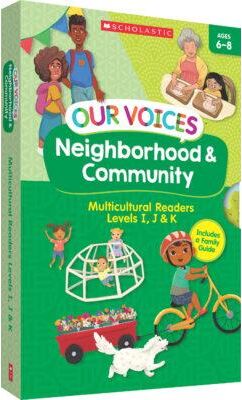
Our Voices: Neighborhood & Community Boxed SetFoster a feeling of belonging while building key reading skills with these colorful storybooks that spotlight a variety of neighborhoods and communities. The 10 charming stories feature characters from different cultural backgrounds who learn about...30,59 $*Shipping: 0,00 $Secure redirect to the provider
-
ForAllApparel Inflatable Alien Carrying Human Costume For Halloween Parties & Sci Fi Events Inflatable Alien Carrying Human Costume For Halloween Parties & Sci Fi EventsAlien Carrying Human Costume turns every entrance into a laughoutloud moment. Designed for Halloween lovers, cosplay fans, and pranksters, this hilarious inflatable outfit creates the illusion of being abducted by a friendly alien. Made from soft...59,97 $*Shipping: 0,00 $Secure redirect to the provider
-
Tools, Home & Hobby Heavy Duty White Plastic Disposable Plates Set For Weddings, Parties & Events Heavy Duty White Plastic Disposable Plates Set For Weddings, Parties & EventsCreate a polished table setting without the stress of postparty cleanup. These heavy duty plastic plates are designed for hosts who want the elegance of real dinnerware with the convenience of disposable serving. Featuring 50 dinner plates and 50...79,97 $*Shipping: 0,00 $Secure redirect to the provider
-
Multicon Wholesale Hub Stainless Steel Serving Tray Round Decorative Platter Trays For Home, Parties & Events Stainless Steel Serving Tray Round Decorative Platter Trays For Home, Parties & EventsStep up your entertaining game with a set that brings elegant utility to every occasion. These six beautifully polished stainless steel serving trays are perfect for hosts, caterers, and anyone who loves to serve with style. Designed for both...148,97 $*Shipping: 0,00 $Secure redirect to the provider
-
What are the epistemological implications?
The epistemological implications of a question or topic refer to the ways in which it challenges or shapes our understanding of knowledge and how we come to know things. When considering the epistemological implications of a question, we are examining how it challenges our assumptions about what can be known, how it can be known, and the limits of our knowledge. This can lead to a deeper understanding of the nature of knowledge, the methods of inquiry, and the ways in which we construct and validate knowledge claims. In essence, considering the epistemological implications of a question prompts us to critically reflect on the nature and limitations of human knowledge. **
-
What is the difference between epistemological and ontological naturalism?
Epistemological naturalism is the belief that knowledge and understanding of the world should be based on naturalistic explanations and evidence, such as scientific inquiry and empirical observation. It focuses on how we come to know and understand the world around us. Ontological naturalism, on the other hand, is the belief that the natural world is all that exists, and that there are no supernatural or non-natural entities or forces. It focuses on the nature of reality and what exists in the world. In summary, epistemological naturalism is about how we know, while ontological naturalism is about what exists. **
-
How can one compare the epistemological theories of Descartes and Hobbes?
Descartes and Hobbes both have distinct epistemological theories, with Descartes emphasizing rationalism and skepticism, while Hobbes focuses on empiricism and materialism. Descartes believed in the existence of innate ideas and the importance of reason in acquiring knowledge, while Hobbes argued that all knowledge comes from sensory experience. Additionally, Descartes sought to establish a foundation of certainty through his method of doubt, while Hobbes emphasized the importance of observation and experimentation in understanding the natural world. Despite their differences, both philosophers contributed significantly to the development of modern epistemology by exploring the nature and limits of human knowledge. **
-
What is the epistemological difference between empiricism (Hobbes, Locke, Hume) and materialism?
Empiricism is the philosophical belief that knowledge comes primarily from sensory experience and observation. This means that empiricists like Hobbes, Locke, and Hume argue that all knowledge is derived from the senses and that the mind is a blank slate at birth. Materialism, on the other hand, is the philosophical belief that everything in the world, including human thoughts and experiences, can be explained in terms of physical matter and its interactions. Materialists argue that the mind and consciousness are ultimately reducible to physical processes in the brain. Therefore, while both empiricism and materialism emphasize the importance of sensory experience, the key difference lies in the nature of knowledge and the mind: empiricists focus on the origin of knowledge, while materialists focus on the nature of the mind and its relationship to the physical world. **
Similar search terms for Epistemological
-
Uplifted Finds Flashing LED Star Wand Light Up Glow Stick Toy For Kids Parties & Events Flashing LED Star Wand Light Up Glow Stick Toy For Kids Parties & EventsLight up the night with enchanting magic using this Flashing LED Star Wand Glow Stick! Featuring a glowing startopped wand design, this illuminated toy lights up in brilliant flashing patterns to spark instant excitement for kids and adults alike....37,97 $*Shipping: 0,00 $Secure redirect to the provider
-
Inspired Deals Acrylic Champagne Glasses Unbreakable Plastic Champagne Flutes For Parties & Events blackCelebrate every moment without worrying about breakage with these elegant acrylic champagne glasses designed for modern gatherings. Crafted from durable PC material, they offer the refined look of glass while staying lightweight and safe for...39,97 $*Shipping: 0,00 $Secure redirect to the provider
-
Jeffree Star Cosmetics Velour Liquid Lipstick liquid lipstick shade Gated Community 5.6 mlJeffree Star Cosmetics Velour Liquid Lipstick, 5.6 ml, Lipsticks for Women, Beautifully accentuated lips never go out of style. The Jeffree Star Cosmetics Velour Liquid Lipstick lipstick envelops the surface of your lips in a continuous layer of irresistible and rich colour, accentuating any makeup look perfectly, whether you’re heading to work, a meeting or a party. It allows you to emphasise your lips while also giving them the shape you want or a fuller look. In just a moment, it will give your lips a gorgeous colour and perfect shape, making them the centre of attention and irresistibly kissable. Characteristics: matte effect long-lasting washes out easily Ingredients: vegan product How to use: Apply lipstick to lips from the centre to the corners using gentle strokes.13,30 £*Shipping: 3,99 £Secure redirect to the provider
-
USA Free Shipping Shop GlamSpark Rhinestone Face Mask Cover For Parties, Cosplay & Special Events whiteStep into the spotlight with a dazzling accessory designed to turn heads wherever you go. This rhinestone face mask combines eyecatching sparkle with lightweight comfort, making it perfect for fashionforward women who love standing out. Designed as...39,97 $*Shipping: 0,00 $Secure redirect to the provider
-
What epistemological questions does the Allegory of the Cave provide answers to?
The Allegory of the Cave provides answers to several epistemological questions, such as the nature of reality and the limitations of human perception. It explores the idea of how our perceptions can be limited by our experiences and the influence of external forces. The allegory also addresses the question of how we come to know the truth and whether it is possible to break free from the constraints of our limited understanding. Additionally, it raises the question of the role of education and enlightenment in expanding our knowledge and understanding of the world. **
-
What are the differences between the epistemological theories of Socrates, Plato, Kant, Hume, and Descartes?
Socrates believed in the pursuit of knowledge through critical thinking and questioning, emphasizing the importance of self-examination and dialogue. Plato, a student of Socrates, expanded on these ideas and proposed the existence of a separate realm of perfect forms, which could only be accessed through reason and contemplation. Kant focused on the role of the mind in shaping our understanding of the world, arguing that our perceptions are filtered through innate categories of understanding. Hume, on the other hand, emphasized the limitations of human knowledge, arguing that our understanding is based on sensory experience and that we cannot know the true nature of things. Descartes, known for his method of doubt, sought to establish a foundation of knowledge through skepticism and rationalism, ultimately arriving at the famous phrase "I think, therefore I am." **
-
Who still avoids events, celebrations, and parties?
Some individuals who still avoid events, celebrations, and parties include those who are introverted or socially anxious. These individuals may feel uncomfortable in large social settings and prefer smaller, more intimate gatherings. Additionally, people who have experienced trauma or have social phobias may also choose to avoid events and parties to protect their mental well-being. Ultimately, it is important to respect and understand individuals who choose to opt out of such social gatherings for their own personal reasons. **
-
Who else is avoiding events, celebrations, and parties?
Many people are avoiding events, celebrations, and parties due to various reasons such as health concerns, social anxiety, or personal preferences. Some individuals may be avoiding large gatherings to reduce the risk of exposure to illness, while others may feel uncomfortable in social settings and prefer to avoid them altogether. Additionally, some people may simply not enjoy attending events and would rather spend their time in other ways. **
* All prices are inclusive of VAT and, if applicable, plus shipping costs. The offer information is based on the details provided by the respective shop and is updated through automated processes. Real-time updates do not occur, so deviations can occur in individual cases. ** Note: Parts of this content were created by AI.