Buy swingersdirectory.eu ?
We are moving the project
swingersdirectory.eu .
Are you interested in purchasing the domain
swingersdirectory.eu ?
domain@kv-gmbh.de · 0541-91531010
Buy swingersdirectory.eu ?
Are photons electrons?
No, photons are not electrons. Photons are elementary particles that make up light and electromagnetic radiation, while electrons are negatively charged subatomic particles that are part of atoms. Photons have no mass and travel at the speed of light, while electrons have mass and are bound to the nucleus of an atom. **
How are photons created?
Photons are created through a process called electromagnetic radiation. This occurs when an atom absorbs energy, causing its electrons to move to a higher energy level. When the electrons return to their original energy level, they release the absorbed energy in the form of photons. This process can happen in various ways, such as through thermal radiation, chemical reactions, or nuclear reactions. **

Similar search terms for Photons
Top-Angebote
Products related to Photons:
-
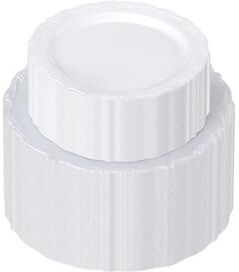
Tools, Home & Hobby Heavy Duty White Plastic Disposable Plates Set For Weddings, Parties & Events Heavy Duty White Plastic Disposable Plates Set For Weddings, Parties & EventsCreate a polished table setting without the stress of postparty cleanup. These heavy duty plastic plates are designed for hosts who want the elegance of real dinnerware with the convenience of disposable serving. Featuring 50 dinner plates and 50...79,97 $*Shipping: 0,00 $Secure redirect to the provider
-
Multicon Wholesale Hub Stainless Steel Serving Tray Round Decorative Platter Trays For Home, Parties & Events Stainless Steel Serving Tray Round Decorative Platter Trays For Home, Parties & EventsStep up your entertaining game with a set that brings elegant utility to every occasion. These six beautifully polished stainless steel serving trays are perfect for hosts, caterers, and anyone who loves to serve with style. Designed for both...148,97 $*Shipping: 0,00 $Secure redirect to the provider
-
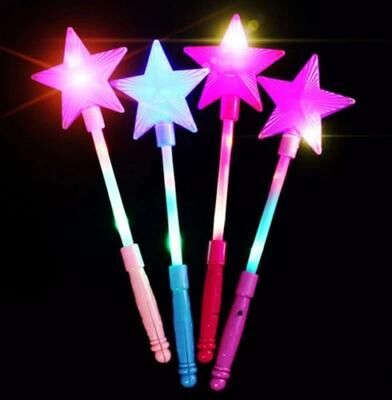
Uplifted Finds Flashing LED Star Wand Light Up Glow Stick Toy For Kids Parties & Events Flashing LED Star Wand Light Up Glow Stick Toy For Kids Parties & EventsLight up the night with enchanting magic using this Flashing LED Star Wand Glow Stick! Featuring a glowing startopped wand design, this illuminated toy lights up in brilliant flashing patterns to spark instant excitement for kids and adults alike....37,97 $*Shipping: 0,00 $Secure redirect to the provider
-
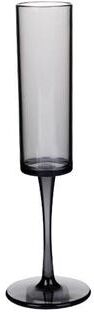
Inspired Deals Acrylic Champagne Glasses Unbreakable Plastic Champagne Flutes For Parties & Events blackCelebrate every moment without worrying about breakage with these elegant acrylic champagne glasses designed for modern gatherings. Crafted from durable PC material, they offer the refined look of glass while staying lightweight and safe for...39,97 $*Shipping: 0,00 $Secure redirect to the provider

-
What happens to photons?
Photons are elementary particles that make up light. They do not have mass and travel at the speed of light. When photons interact with matter, they can be absorbed, reflected, or transmitted. Absorption of photons can result in the excitation of electrons, leading to various physical and chemical processes. **
-
How can one convert the energy of different photons into monochromatic photons?
One way to convert the energy of different photons into monochromatic photons is through a process called frequency doubling or second harmonic generation. This involves passing the photons through a nonlinear crystal, which causes the photons to combine and create new photons with double the frequency and half the wavelength of the original photons. This results in monochromatic photons with a single, specific wavelength. Another method is through the use of filters or monochromators, which can selectively filter out photons of specific wavelengths, allowing only monochromatic photons to pass through. **
-
Why can photons penetrate matter?
Photons can penetrate matter because they do not have an electric charge and are not affected by electromagnetic forces within the material. Additionally, photons do not have mass, allowing them to travel at the speed of light and pass through matter without being absorbed or deflected. This property of photons enables them to interact with atoms and molecules in the material, leading to phenomena such as absorption, reflection, and transmission. **
-
How far do photons travel?
Photons, as particles of light, travel at the speed of light in a vacuum, which is approximately 299,792 kilometers per second. This means that photons can travel vast distances in a very short amount of time. However, their travel distance can be affected by factors such as absorption, reflection, and scattering, which can cause them to be absorbed or redirected before reaching their destination. **


How can photons have mass?
Photons are massless particles according to the Standard Model of particle physics. They travel at the speed of light and have zero rest mass. However, in certain theoretical models beyond the Standard Model, such as some versions of string theory, it is possible for photons to acquire a small amount of mass through interactions with other particles or fields. This mass is typically very small and has not been experimentally observed. **
What distinguishes photons and protons?
Photons are elementary particles that carry electromagnetic radiation, such as light, while protons are subatomic particles found in the nucleus of an atom. Photons have no mass and travel at the speed of light, while protons have mass and are composed of quarks. Additionally, photons do not have an electric charge, while protons have a positive electric charge. **
Top-Angebote
Products related to Photons:
-
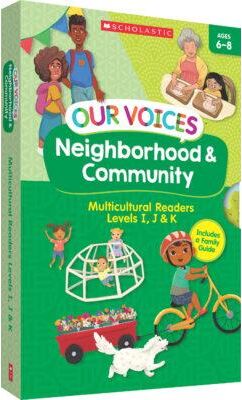
Our Voices: Neighborhood & Community Boxed SetFoster a feeling of belonging while building key reading skills with these colorful storybooks that spotlight a variety of neighborhoods and communities. The 10 charming stories feature characters from different cultural backgrounds who learn about...30,59 $*Shipping: 0,00 $Secure redirect to the provider
-
ForAllApparel Inflatable Alien Carrying Human Costume For Halloween Parties & Sci Fi Events Inflatable Alien Carrying Human Costume For Halloween Parties & Sci Fi EventsAlien Carrying Human Costume turns every entrance into a laughoutloud moment. Designed for Halloween lovers, cosplay fans, and pranksters, this hilarious inflatable outfit creates the illusion of being abducted by a friendly alien. Made from soft...59,97 $*Shipping: 0,00 $Secure redirect to the provider
-
Tools, Home & Hobby Heavy Duty White Plastic Disposable Plates Set For Weddings, Parties & Events Heavy Duty White Plastic Disposable Plates Set For Weddings, Parties & EventsCreate a polished table setting without the stress of postparty cleanup. These heavy duty plastic plates are designed for hosts who want the elegance of real dinnerware with the convenience of disposable serving. Featuring 50 dinner plates and 50...79,97 $*Shipping: 0,00 $Secure redirect to the provider
-
Multicon Wholesale Hub Stainless Steel Serving Tray Round Decorative Platter Trays For Home, Parties & Events Stainless Steel Serving Tray Round Decorative Platter Trays For Home, Parties & EventsStep up your entertaining game with a set that brings elegant utility to every occasion. These six beautifully polished stainless steel serving trays are perfect for hosts, caterers, and anyone who loves to serve with style. Designed for both...148,97 $*Shipping: 0,00 $Secure redirect to the provider
-
Are photons electrons?
No, photons are not electrons. Photons are elementary particles that make up light and electromagnetic radiation, while electrons are negatively charged subatomic particles that are part of atoms. Photons have no mass and travel at the speed of light, while electrons have mass and are bound to the nucleus of an atom. **
-
How are photons created?
Photons are created through a process called electromagnetic radiation. This occurs when an atom absorbs energy, causing its electrons to move to a higher energy level. When the electrons return to their original energy level, they release the absorbed energy in the form of photons. This process can happen in various ways, such as through thermal radiation, chemical reactions, or nuclear reactions. **
-
What happens to photons?
Photons are elementary particles that make up light. They do not have mass and travel at the speed of light. When photons interact with matter, they can be absorbed, reflected, or transmitted. Absorption of photons can result in the excitation of electrons, leading to various physical and chemical processes. **
-
How can one convert the energy of different photons into monochromatic photons?
One way to convert the energy of different photons into monochromatic photons is through a process called frequency doubling or second harmonic generation. This involves passing the photons through a nonlinear crystal, which causes the photons to combine and create new photons with double the frequency and half the wavelength of the original photons. This results in monochromatic photons with a single, specific wavelength. Another method is through the use of filters or monochromators, which can selectively filter out photons of specific wavelengths, allowing only monochromatic photons to pass through. **
Similar search terms for Photons
-
Uplifted Finds Flashing LED Star Wand Light Up Glow Stick Toy For Kids Parties & Events Flashing LED Star Wand Light Up Glow Stick Toy For Kids Parties & EventsLight up the night with enchanting magic using this Flashing LED Star Wand Glow Stick! Featuring a glowing startopped wand design, this illuminated toy lights up in brilliant flashing patterns to spark instant excitement for kids and adults alike....37,97 $*Shipping: 0,00 $Secure redirect to the provider
-
Inspired Deals Acrylic Champagne Glasses Unbreakable Plastic Champagne Flutes For Parties & Events blackCelebrate every moment without worrying about breakage with these elegant acrylic champagne glasses designed for modern gatherings. Crafted from durable PC material, they offer the refined look of glass while staying lightweight and safe for...39,97 $*Shipping: 0,00 $Secure redirect to the provider
-
Jeffree Star Cosmetics Velour Liquid Lipstick liquid lipstick shade Gated Community 5.6 mlJeffree Star Cosmetics Velour Liquid Lipstick, 5.6 ml, Lipsticks for Women, Beautifully accentuated lips never go out of style. The Jeffree Star Cosmetics Velour Liquid Lipstick lipstick envelops the surface of your lips in a continuous layer of irresistible and rich colour, accentuating any makeup look perfectly, whether you’re heading to work, a meeting or a party. It allows you to emphasise your lips while also giving them the shape you want or a fuller look. In just a moment, it will give your lips a gorgeous colour and perfect shape, making them the centre of attention and irresistibly kissable. Characteristics: matte effect long-lasting washes out easily Ingredients: vegan product How to use: Apply lipstick to lips from the centre to the corners using gentle strokes.13,30 £*Shipping: 3,99 £Secure redirect to the provider
-
Snug & Styled LED Sequin Flash Gloves For Dance Parties, Festivals & Halloween Events Sequins Glowing GlovesLight up every performance and celebration with these eyecatching LED gloves designed to make you stand out in any crowd. Featuring sparkling sequins and vibrant flashing lights, these gloves add excitement and energy to dances, parties, and festive...39,97 $*Shipping: 0,00 $Secure redirect to the provider
-
Why can photons penetrate matter?
Photons can penetrate matter because they do not have an electric charge and are not affected by electromagnetic forces within the material. Additionally, photons do not have mass, allowing them to travel at the speed of light and pass through matter without being absorbed or deflected. This property of photons enables them to interact with atoms and molecules in the material, leading to phenomena such as absorption, reflection, and transmission. **
-
How far do photons travel?
Photons, as particles of light, travel at the speed of light in a vacuum, which is approximately 299,792 kilometers per second. This means that photons can travel vast distances in a very short amount of time. However, their travel distance can be affected by factors such as absorption, reflection, and scattering, which can cause them to be absorbed or redirected before reaching their destination. **
-
How can photons have mass?
Photons are massless particles according to the Standard Model of particle physics. They travel at the speed of light and have zero rest mass. However, in certain theoretical models beyond the Standard Model, such as some versions of string theory, it is possible for photons to acquire a small amount of mass through interactions with other particles or fields. This mass is typically very small and has not been experimentally observed. **
-
What distinguishes photons and protons?
Photons are elementary particles that carry electromagnetic radiation, such as light, while protons are subatomic particles found in the nucleus of an atom. Photons have no mass and travel at the speed of light, while protons have mass and are composed of quarks. Additionally, photons do not have an electric charge, while protons have a positive electric charge. **
* All prices are inclusive of VAT and, if applicable, plus shipping costs. The offer information is based on the details provided by the respective shop and is updated through automated processes. Real-time updates do not occur, so deviations can occur in individual cases. ** Note: Parts of this content were created by AI.