Buy swingersdirectory.eu ?
We are moving the project
swingersdirectory.eu .
Are you interested in purchasing the domain
swingersdirectory.eu ?
domain@kv-gmbh.de · 0541-91531010
Buy swingersdirectory.eu ?
When do you use hay, estar, and tener?
You use "hay" when talking about the existence of something or to indicate there is/there are. For example, "hay un perro en el parque" (there is a dog in the park). You use "estar" to express a temporary state or condition, such as emotions, locations, or physical states. For example, "estoy cansado" (I am tired) or "estamos en la playa" (we are at the beach). You use "tener" to indicate possession, age, or to express physical sensations. For example, "tengo un libro" (I have a book), "tengo veinte años" (I am twenty years old), or "tengo hambre" (I am hungry). **
How do you say "tener que" in Spanish?
In Spanish, "tener que" means "to have to" or "must." It is a common phrase used to express obligation or necessity. For example, "Tengo que estudiar" means "I have to study." **

Similar search terms for Tener
Top-Angebote
Products related to Tener:
-
Tools, Home & Hobby Heavy Duty White Plastic Disposable Plates Set For Weddings, Parties & Events Heavy Duty White Plastic Disposable Plates Set For Weddings, Parties & EventsCreate a polished table setting without the stress of postparty cleanup. These heavy duty plastic plates are designed for hosts who want the elegance of real dinnerware with the convenience of disposable serving. Featuring 50 dinner plates and 50...79,97 $*Shipping: 0,00 $Secure redirect to the provider
-
Multicon Wholesale Hub Stainless Steel Serving Tray Round Decorative Platter Trays For Home, Parties & Events Stainless Steel Serving Tray Round Decorative Platter Trays For Home, Parties & EventsStep up your entertaining game with a set that brings elegant utility to every occasion. These six beautifully polished stainless steel serving trays are perfect for hosts, caterers, and anyone who loves to serve with style. Designed for both...148,97 $*Shipping: 0,00 $Secure redirect to the provider
-
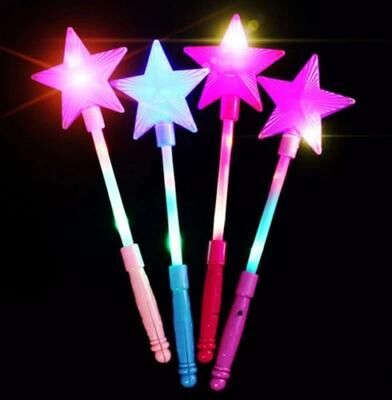
Uplifted Finds Flashing LED Star Wand Light Up Glow Stick Toy For Kids Parties & Events Flashing LED Star Wand Light Up Glow Stick Toy For Kids Parties & EventsLight up the night with enchanting magic using this Flashing LED Star Wand Glow Stick! Featuring a glowing startopped wand design, this illuminated toy lights up in brilliant flashing patterns to spark instant excitement for kids and adults alike....37,97 $*Shipping: 0,00 $Secure redirect to the provider
-
Inspired Deals Acrylic Champagne Glasses Unbreakable Plastic Champagne Flutes For Parties & Events blackCelebrate every moment without worrying about breakage with these elegant acrylic champagne glasses designed for modern gatherings. Crafted from durable PC material, they offer the refined look of glass while staying lightweight and safe for...39,97 $*Shipping: 0,00 $Secure redirect to the provider


-
How do you conjugate "tener que" in the preterite tense?
The verb "tener que" is conjugated in the preterite tense by using the preterite form of the verb "tener" followed by the infinitive form of "que." For example, "tuve que" (I had to), "tuviste que" (you had to), "tuvo que" (he/she/it had to), "tuvimos que" (we had to), "tuvieron que" (they had to). This construction is used to express that someone had an obligation or necessity to do something in the past. **
-
What is the difference between "hay que" and "tener que"?
"Hay que" and "tener que" both express the idea of necessity, but they are used in slightly different contexts. "Hay que" is used to express a general obligation or necessity, often referring to a rule, law, or social norm. For example, "Hay que estudiar para tener buenas notas" (One must study to get good grades). On the other hand, "tener que" is used to express a specific obligation or necessity that is related to a particular person or situation. For example, "Tengo que terminar este informe antes de la reunión" (I have to finish this report before the meeting). **
-
How do you know when to use "tener que" or "hay que"?
"Tener que" is used when referring to a specific person or group of people who have an obligation or necessity to do something. For example, "Tengo que estudiar" (I have to study). On the other hand, "Hay que" is used when talking about a general obligation or necessity that applies to everyone. For example, "Hay que respetar las reglas" (One must respect the rules). So, the choice between "tener que" and "hay que" depends on whether the obligation is specific to an individual or more general. **
-
Who still avoids events, celebrations, and parties?
Some individuals who still avoid events, celebrations, and parties include those who are introverted or socially anxious. These individuals may feel uncomfortable in large social settings and prefer smaller, more intimate gatherings. Additionally, people who have experienced trauma or have social phobias may also choose to avoid events and parties to protect their mental well-being. Ultimately, it is important to respect and understand individuals who choose to opt out of such social gatherings for their own personal reasons. **


Who else is avoiding events, celebrations, and parties?
Many people are avoiding events, celebrations, and parties due to various reasons such as health concerns, social anxiety, or personal preferences. Some individuals may be avoiding large gatherings to reduce the risk of exposure to illness, while others may feel uncomfortable in social settings and prefer to avoid them altogether. Additionally, some people may simply not enjoy attending events and would rather spend their time in other ways. **
'How do you approach parties and similar events?'
When approaching parties and similar events, I like to go in with an open mind and a positive attitude. I enjoy meeting new people and engaging in conversations, so I make an effort to be friendly and approachable. I also like to take the opportunity to try new things and participate in the activities or entertainment provided at the event. Overall, I approach parties and similar events as a chance to socialize, have fun, and make meaningful connections. **
Top-Angebote
Products related to Tener:
-
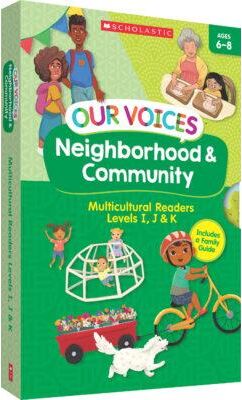
Our Voices: Neighborhood & Community Boxed SetFoster a feeling of belonging while building key reading skills with these colorful storybooks that spotlight a variety of neighborhoods and communities. The 10 charming stories feature characters from different cultural backgrounds who learn about...30,59 $*Shipping: 0,00 $Secure redirect to the provider
-
ForAllApparel Inflatable Alien Carrying Human Costume For Halloween Parties & Sci Fi Events Inflatable Alien Carrying Human Costume For Halloween Parties & Sci Fi EventsAlien Carrying Human Costume turns every entrance into a laughoutloud moment. Designed for Halloween lovers, cosplay fans, and pranksters, this hilarious inflatable outfit creates the illusion of being abducted by a friendly alien. Made from soft...59,97 $*Shipping: 0,00 $Secure redirect to the provider
-
Tools, Home & Hobby Heavy Duty White Plastic Disposable Plates Set For Weddings, Parties & Events Heavy Duty White Plastic Disposable Plates Set For Weddings, Parties & EventsCreate a polished table setting without the stress of postparty cleanup. These heavy duty plastic plates are designed for hosts who want the elegance of real dinnerware with the convenience of disposable serving. Featuring 50 dinner plates and 50...79,97 $*Shipping: 0,00 $Secure redirect to the provider
-
Multicon Wholesale Hub Stainless Steel Serving Tray Round Decorative Platter Trays For Home, Parties & Events Stainless Steel Serving Tray Round Decorative Platter Trays For Home, Parties & EventsStep up your entertaining game with a set that brings elegant utility to every occasion. These six beautifully polished stainless steel serving trays are perfect for hosts, caterers, and anyone who loves to serve with style. Designed for both...148,97 $*Shipping: 0,00 $Secure redirect to the provider
-
When do you use hay, estar, and tener?
You use "hay" when talking about the existence of something or to indicate there is/there are. For example, "hay un perro en el parque" (there is a dog in the park). You use "estar" to express a temporary state or condition, such as emotions, locations, or physical states. For example, "estoy cansado" (I am tired) or "estamos en la playa" (we are at the beach). You use "tener" to indicate possession, age, or to express physical sensations. For example, "tengo un libro" (I have a book), "tengo veinte años" (I am twenty years old), or "tengo hambre" (I am hungry). **
-
How do you say "tener que" in Spanish?
In Spanish, "tener que" means "to have to" or "must." It is a common phrase used to express obligation or necessity. For example, "Tengo que estudiar" means "I have to study." **
-
How do you conjugate "tener que" in the preterite tense?
The verb "tener que" is conjugated in the preterite tense by using the preterite form of the verb "tener" followed by the infinitive form of "que." For example, "tuve que" (I had to), "tuviste que" (you had to), "tuvo que" (he/she/it had to), "tuvimos que" (we had to), "tuvieron que" (they had to). This construction is used to express that someone had an obligation or necessity to do something in the past. **
-
What is the difference between "hay que" and "tener que"?
"Hay que" and "tener que" both express the idea of necessity, but they are used in slightly different contexts. "Hay que" is used to express a general obligation or necessity, often referring to a rule, law, or social norm. For example, "Hay que estudiar para tener buenas notas" (One must study to get good grades). On the other hand, "tener que" is used to express a specific obligation or necessity that is related to a particular person or situation. For example, "Tengo que terminar este informe antes de la reunión" (I have to finish this report before the meeting). **
Similar search terms for Tener
-
Uplifted Finds Flashing LED Star Wand Light Up Glow Stick Toy For Kids Parties & Events Flashing LED Star Wand Light Up Glow Stick Toy For Kids Parties & EventsLight up the night with enchanting magic using this Flashing LED Star Wand Glow Stick! Featuring a glowing startopped wand design, this illuminated toy lights up in brilliant flashing patterns to spark instant excitement for kids and adults alike....37,97 $*Shipping: 0,00 $Secure redirect to the provider
-
Inspired Deals Acrylic Champagne Glasses Unbreakable Plastic Champagne Flutes For Parties & Events blackCelebrate every moment without worrying about breakage with these elegant acrylic champagne glasses designed for modern gatherings. Crafted from durable PC material, they offer the refined look of glass while staying lightweight and safe for...39,97 $*Shipping: 0,00 $Secure redirect to the provider
-
Snug & Styled LED Sequin Flash Gloves For Dance Parties, Festivals & Halloween Events Sequins Glowing GlovesLight up every performance and celebration with these eyecatching LED gloves designed to make you stand out in any crowd. Featuring sparkling sequins and vibrant flashing lights, these gloves add excitement and energy to dances, parties, and festive...39,97 $*Shipping: 0,00 $Secure redirect to the provider
-
USA Free Shipping Shop GlamSpark Rhinestone Face Mask Cover For Parties, Cosplay & Special Events whiteStep into the spotlight with a dazzling accessory designed to turn heads wherever you go. This rhinestone face mask combines eyecatching sparkle with lightweight comfort, making it perfect for fashionforward women who love standing out. Designed as...39,97 $*Shipping: 0,00 $Secure redirect to the provider
-
How do you know when to use "tener que" or "hay que"?
"Tener que" is used when referring to a specific person or group of people who have an obligation or necessity to do something. For example, "Tengo que estudiar" (I have to study). On the other hand, "Hay que" is used when talking about a general obligation or necessity that applies to everyone. For example, "Hay que respetar las reglas" (One must respect the rules). So, the choice between "tener que" and "hay que" depends on whether the obligation is specific to an individual or more general. **
-
Who still avoids events, celebrations, and parties?
Some individuals who still avoid events, celebrations, and parties include those who are introverted or socially anxious. These individuals may feel uncomfortable in large social settings and prefer smaller, more intimate gatherings. Additionally, people who have experienced trauma or have social phobias may also choose to avoid events and parties to protect their mental well-being. Ultimately, it is important to respect and understand individuals who choose to opt out of such social gatherings for their own personal reasons. **
-
Who else is avoiding events, celebrations, and parties?
Many people are avoiding events, celebrations, and parties due to various reasons such as health concerns, social anxiety, or personal preferences. Some individuals may be avoiding large gatherings to reduce the risk of exposure to illness, while others may feel uncomfortable in social settings and prefer to avoid them altogether. Additionally, some people may simply not enjoy attending events and would rather spend their time in other ways. **
-
'How do you approach parties and similar events?'
When approaching parties and similar events, I like to go in with an open mind and a positive attitude. I enjoy meeting new people and engaging in conversations, so I make an effort to be friendly and approachable. I also like to take the opportunity to try new things and participate in the activities or entertainment provided at the event. Overall, I approach parties and similar events as a chance to socialize, have fun, and make meaningful connections. **
* All prices are inclusive of VAT and, if applicable, plus shipping costs. The offer information is based on the details provided by the respective shop and is updated through automated processes. Real-time updates do not occur, so deviations can occur in individual cases. ** Note: Parts of this content were created by AI.